
Every hurricane season, thousands of homeowners face the same stressful question: Are my windows strong enough to survive this storm? The answer depends entirely on how prepared you are before the winds arrive. Knowing how to protect windows during a hurricane is one of the most important steps you can take to keep your family safe and your home intact.
Windows are the most fragile openings in any home. Once a window breaks during a hurricane, wind and water rush inside — causing internal pressure that can lift roofs, collapse walls, and turn your living space into a disaster zone within minutes. This guide walks you through every practical option, from budget-friendly plywood to long-term impact-resistant solutions.
Why window protection matters more than you think
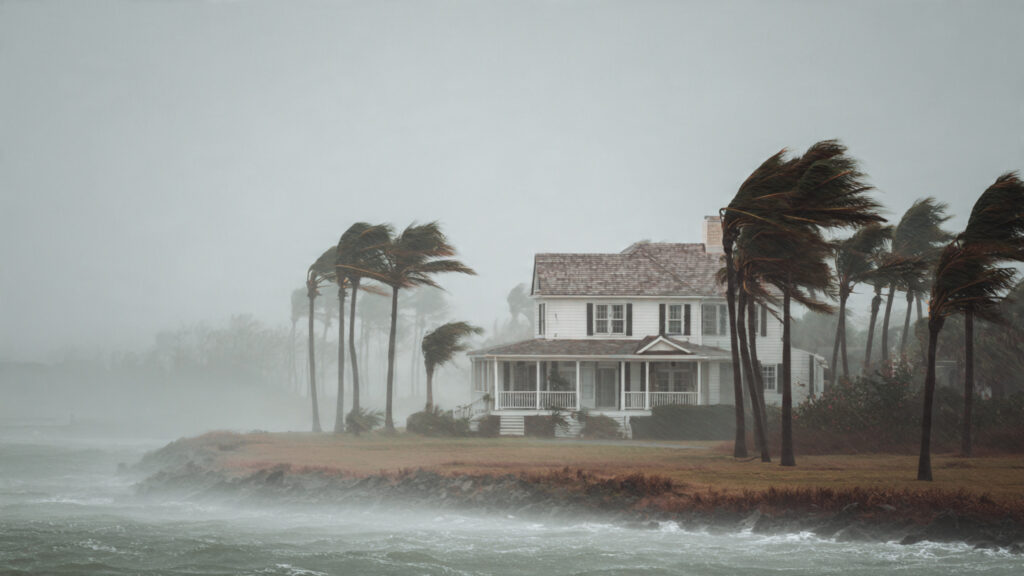
Most people focus on stocking food and water before a hurricane — and that’s smart. But structural protection often gets overlooked. When hurricane-force winds hit a home, they don’t just push against the outside. The moment a window fails, your entire home becomes pressurised from the inside. That internal pressure is what causes roofs to peel away and walls to buckle.
Flying debris is the number one cause of window failure during a storm. Tree branches, outdoor furniture, road signs — anything can become a high-speed projectile in 100+ mph winds. Even a small crack is enough to let the storm in. That’s why protecting your windows before the hurricane hits is not optional — it’s essential.
Option 1: Hurricane shutters — the gold standard
If you want reliable, reusable protection year after year, hurricane shutters are the best investment. They come in several styles — accordion shutters, roll-down shutters, Bahama shutters, and colonial shutters — each offering different levels of convenience and protection.
Accordion shutters fold neatly beside your windows and can be deployed in seconds. They’re permanently installed, so there’s no scrambling for materials when a storm warning goes out. Roll-down shutters work similarly but retract into a housing above the window when not in use, keeping them out of sight.
Both aluminium and steel shutters are tested to meet hurricane impact standards. Yes, shutters are a significant upfront cost — typically $1,500 to $5,000+ for a whole house — but they pay for themselves in reduced damage, lower insurance premiums, and peace of mind every single season.
Option 2: Impact-resistant windows — a permanent solution
Impact-resistant windows — sometimes called hurricane windows — are built with multiple layers of laminated glass bonded to a reinforced frame. Even when the outer glass cracks under impact, the inner membrane holds everything together. The window stays intact, keeping wind and water out.
These windows are tested using a “large missile impact test,” where a 9-pound 2×4 is fired at the glass at high speed. If the glass holds, it earns certification. That’s the kind of protection standing between your family and a Category 4 storm.
The biggest advantage? You never have to do anything when a storm approaches. No boarding up, no deploying shutters — your home is always ready. Many insurers in hurricane-prone states like Florida offer substantial discounts for homes with impact windows, making the long-term math surprisingly favorable.
Option 3: Plywood boards — the budget-friendly backup
Not everyone can afford shutters or impact windows — and that’s okay. Properly installed plywood is a legitimate and effective form of window protection. The key word is ‘properly’. A thin, warped sheet of wood loosely nailed over your window won’t do much. Done right, however, plywood provides real protection at a fraction of the cost.
Use 5/8-inch or 3/4-inch exterior-grade plywood. Cut each piece to extend at least 8 inches beyond the edges of your window frame and anchor it firmly with structural screws into the wall — not just the window frame. Pre-cut and label your boards during calm weather so you can install them quickly when a storm warning is issued.
Plywood is not a long-term solution — it takes time and labour, and the boards can warp or rot if stored poorly. But in a pinch, it’s far better than nothing, and for many families it’s the most realistic option available.
The tape myth — please stop doing this
Every hurricane season, photos surface of windows covered in masking tape or duct tape crossed in an “X” pattern. It’s a widespread habit — and a completely useless one. Tape does not strengthen glass. It does not prevent the window from shattering. In fact, all it does is create larger, more dangerous shards of glass when the window does break. Skip the tape entirely and focus your energy on real protection methods.
Additional tips to protect your windows during a hurricane
Beyond your primary protection method, a few extra steps can make a real difference:
- Clear your yard well in advance. Lawn furniture, potted plants, garden tools, and decorations become dangerous projectiles in hurricane winds. Move everything indoors or secure it tightly.
- Check window seals and frames. Old or cracked caulking around window frames allows water infiltration even when the glass holds. Reseal any gaps before storm season begins.
- Know your local building codes. Many hurricane-prone areas require specific standards for window protection. Checking local codes ensures your protection method is compliant and eligible for insurance discounts.
- Prepare early — not the night before. Hardware stores sell out of plywood and supplies within hours of a hurricane warning. Have your materials ready at the start of every storm season, not when a storm is already forming.
Which option is right for you?
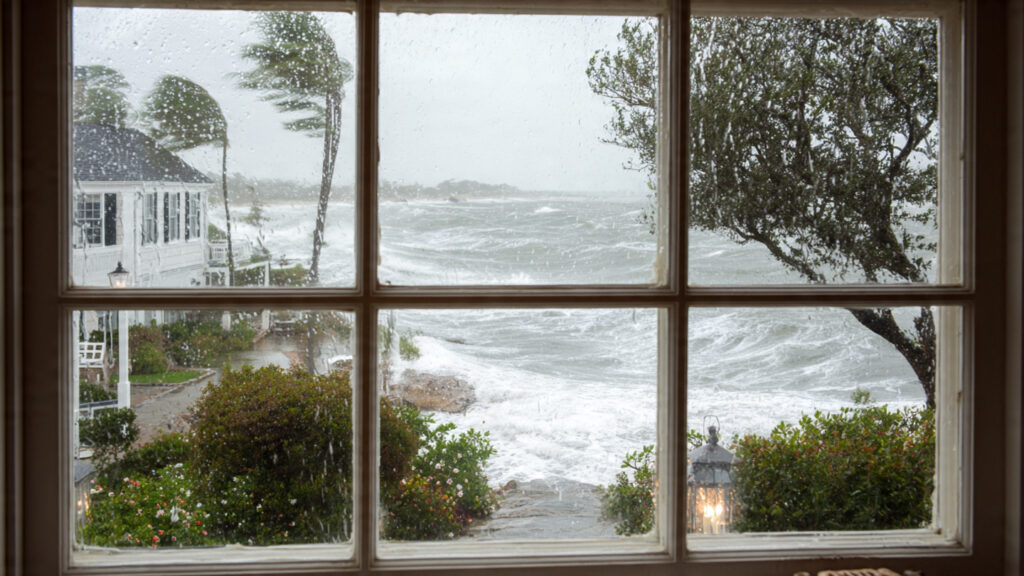
The best window protection is the one you’ll actually use. If you live in a hurricane zone permanently, impact-resistant windows or accordion shutters are worth every penny. They remove the chaos of last-minute preparation and give you consistent, tested protection season after season.
If you’re renting, on a tight budget, or dealing with an unexpected storm, well-installed plywood panels are a solid fallback. Whatever you choose, make that decision now — calmly, clearly, and before the forecast forces your hand.
A hurricane doesn’t give you time to make decisions. The families who come through storms with the least damage are always the ones who prepared months before the season ever started.
Final thoughts
Learning how to protect windows during a hurricane isn’t complicated — but it does require action before the storm arrives. Impact windows, hurricane shutters, and plywood boards each offer real protection when used correctly. What doesn’t work is tape, wishful thinking, or waiting until a storm is 24 hours away.
Take stock of your windows today. Pick the protection method that fits your home and budget. And make sure everything is in place well before the first storm of the season forms. Your home — and your family — is worth that preparation.