
If you own a home in Florida, impact windows are one of the smartest investments you can make. Whether you live in Miami, Tampa, Orlando, or anywhere along the coast, Florida’s hurricane season — which runs from June through November — puts your home at risk every single year. Impact windows protect your family, lower your insurance premiums, and add real value to your property.
In this complete guide, we cover everything you need to know about impact windows in Florida: what they are, how much they cost, the installation process, insurance savings, and how to choose the right company.
What Are Impact Windows?
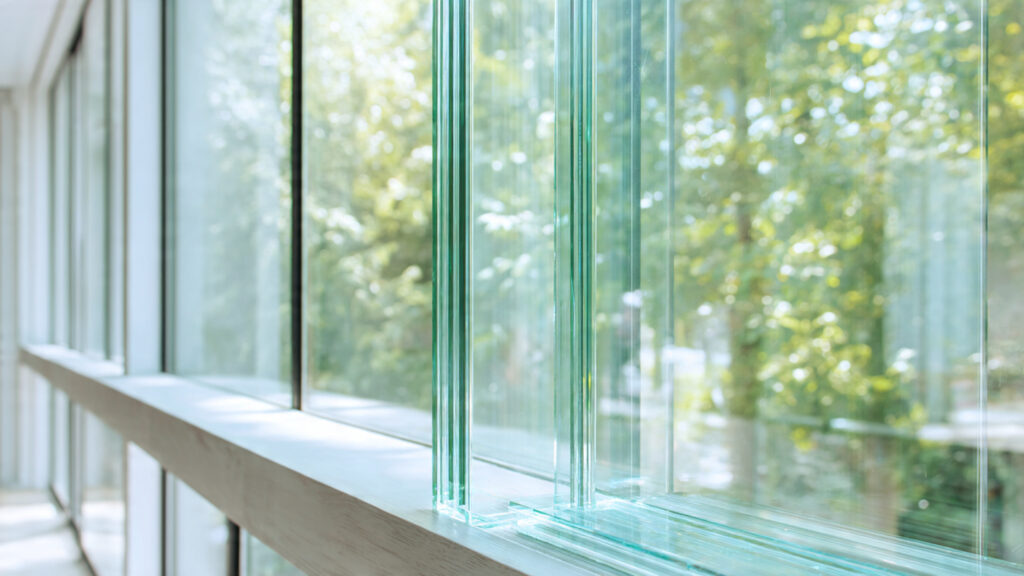
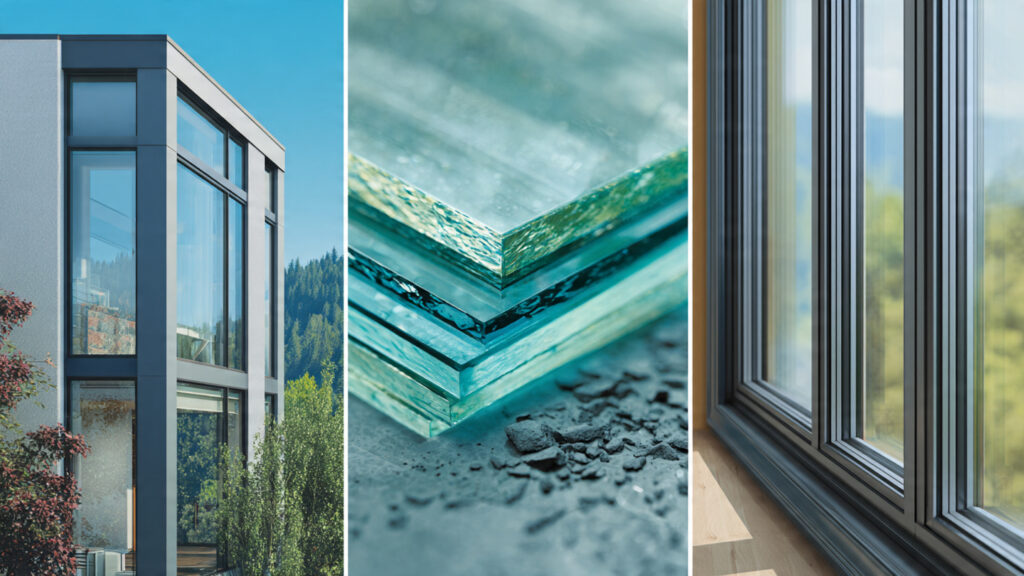
Impact windows — also called hurricane windows or hurricane-impact windows — are specially engineered windows designed to withstand the extreme wind pressures and flying debris that come with major storms. Unlike standard glass, which shatters on impact, impact windows are built with two layers of tempered or laminated glass bonded together by a tough interlayer — typically made of polyvinyl butyral (PVB) or ethylene-vinyl acetate (EVA).
When struck by debris, the glass may crack, but it stays in place rather than flying inward. This prevents the sudden pressure change inside the home that causes roof failure and structural damage during a hurricane.
2. Why Impact Windows Matter in Florida
Florida is the most hurricane-prone state in the United States. With over 1,350 miles of coastline and a warm Gulf Stream, it sits directly in the path of Atlantic and Gulf hurricanes year after year. Between 1851 and 2025, more than 120 hurricanes made landfall in Florida — more than any other state.
But it’s not just the coast at risk. Inland areas like Orlando and Central Florida regularly experience tropical storm-force winds, tornadoes, and severe thunderstorms that can shatter standard windows and compromise your home’s structure.
Florida’s strict building codes — particularly the Florida Building Code (FBC) and the High-Velocity Hurricane Zone (HVHZ) requirements in Miami-Dade and Broward counties — require impact-rated products in new construction and major renovations. Even outside the HVHZ, impact windows are the gold standard for storm protection.
3. Key Benefits of Impact Windows
Impact windows deliver far more than storm protection. Here’s why tens of thousands of Florida homeowners upgrade every year:
- Hurricane protection 24/7 — no prep needed. Unlike storm shutters, impact windows are always active. No last-minute scramble before a storm.
- Insurance premium discounts of 15–45%. Florida law requires insurers to offer discounts to homeowners with approved wind mitigation measures.
- Energy savings. Low-E impact glass reflects UV rays and reduces heat transfer, cutting your cooling costs significantly in Florida’s heat.
- Noise reduction. The laminated glass construction dramatically reduces outside noise — a big benefit near busy roads or airports.
- Enhanced home security. Impact glass is extremely difficult to break through, deterring break-ins far more effectively than standard windows.
- Increased home value. Impact windows are a major selling point and can add 10–15% to your home’s resale value.
- UV protection. They block up to 99% of UV rays, protecting your floors, furniture, and artwork from fading.
4. Impact Window Costs in Florida (2026)
The cost of impact windows varies depending on window size, style, frame material, and the brand you choose. Here’s a realistic breakdown of what Florida homeowners are paying in 2026:
| Window Type / Size | Installed Cost Range |
| Standard single-hung (24″ × 48″) | $900 – $1,400 |
| Medium double-hung (36″ × 60″) | $1,200 – $1,800 |
| Large picture window (72″ × 60″) | $1,800 – $2,800 |
| Sliding glass door (6′ × 8′) | $2,500 – $4,500 |
| Impact entry door | $2,200 – $5,500 |
| Custom architectural windows | $2,500 – $5,000+ |
| Full home (15–20 windows) | $18,000 – $45,000 |
What Affects the Price?
Several factors influence your final cost: the number of openings, frame material (aluminum vs. vinyl), glass package (standard vs. Low-E), permit fees, second-story access requirements, and whether your home has concrete block or wood-frame construction. Always get at least three written quotes from licensed Florida contractors.
5. The Installation Process
Understanding what happens on installation day helps you plan and ensures nothing gets missed. A professional impact window installation in Florida typically follows these steps:
Step 1 — In-Home Consultation & Measurement. A licensed contractor visits your home, measures every opening, assesses the existing frame condition, and recommends the right products for your home and budget.
Step 2 — Permit Application. In Florida, a permit is required for virtually all exterior window and door replacements. Your contractor pulls the permit from your local building department before any work begins. Never work with a company that skips this step.
Step 3 — Product Order & Lead Time. Impact windows are custom-made to your specific opening sizes. Lead times typically run 4–10 weeks depending on the manufacturer and current demand.
Step 4 — Installation Day. A crew removes your existing windows, prepares the openings, installs and anchors the new impact units, applies weatherproofing sealant, and cleans up the job site. A full home typically takes 1–3 days.
Step 5 — Municipal Inspection. A building inspector visits to verify the installation meets Florida Building Code. Once passed, you receive a certificate of completion — which you’ll need for your insurance discount.
Insurance Savings & Florida Law
This is one of the most compelling reasons to invest in impact windows. Florida Statute 627.0629 legally requires insurance companies to offer premium discounts to homeowners who install approved wind mitigation measures — and impact windows qualify.
Once your installation is complete and passes inspection, schedule a wind mitigation inspection with a licensed inspector. They’ll document your impact-rated windows and doors and issue a Wind Mitigation Report. Submit this to your insurance carrier and request a re-rating. Most Florida homeowners see premium reductions of 15–45%, which can amount to hundreds or even thousands of dollars saved every year.
7. How to Choose the Right Company
Not all window and door contractors are equal. Here’s what to look for when choosing an impact window installer in Florida:
- Licensed & insured. Verify the contractor holds a current Florida contractor’s license. Check the Florida DBPR website for license status.
- Pulls permits. Any reputable company will pull permits for every job. If they suggest skipping it, walk away.
- Florida Product Approval. Every window and door they install should carry a valid Florida Product Approval (FPA) number.
- Local reputation & reviews. Look for Google reviews, BBB rating, and ask for local references from completed jobs.
- Clear written quotes. A professional quote itemizes product, labor, permitting, and disposal costs separately.
- Manufacturer warranty support. Confirm they are an authorized dealer for the brands they install — this protects your product warranty.
8. Frequently Asked Questions
Do impact windows eliminate the need for hurricane shutters?
Yes. Impact windows provide continuous, code-compliant hurricane protection without shutters. You never need to install or store shutters again — your home is protected year-round.
How long do impact windows last?
Quality impact windows are built to last 20–30 years or more when properly maintained. Most reputable manufacturers offer lifetime limited warranties on the frame and glass unit.
Can I finance impact windows in Florida?
Yes. Most Florida window companies offer financing options, including 12-month same-as-cash programs. There are also state and federal energy efficiency programs that may offer additional assistance.
Do I need a permit to replace windows in Florida?
In most cases, yes. Florida law requires permits for exterior window and door replacements. Your licensed contractor should handle the permit process on your behalf.
What’s the best time of year to install impact windows in Florida?
The best time to start the process is January through April — before hurricane season begins in June. Lead times of 4–10 weeks mean ordering early ensures your home is protected before storm season.
Ready to Protect Your Florida Home?