
If you are shopping for replacement windows in Florida, one question comes up almost immediately — vinyl vs aluminum? Both are widely available across Miami, Broward, and Palm Beach County. Both come in impact-rated versions that meet Florida’s strict building codes. And both are solid choices when installed correctly.
But they are not the same. Each material has real strengths and real limitations, and the right choice depends on your home, your location, and what matters most to you as a homeowner. This guide breaks down the key differences so you can make a confident, informed decision.
Why Florida Homeowners Face a Unique Choice

Window performance in Florida is not just about looks or price. The state’s climate — relentless heat, year-round humidity, intense UV exposure, and hurricane season — puts window materials through conditions most of the country never experiences. Homes in coastal South Florida also deal with salt air, which adds another layer of demands on frame materials and finishes.
On top of the climate, Miami-Dade and Broward County building codes require that any impact window installed in a high-velocity hurricane zone carry a Miami-Dade Notice of Acceptance (NOA) certification. Both vinyl and aluminum windows are available in NOA-certified impact versions — but not every product on the market qualifies. Confirming that certification before purchasing is essential.
With that foundation in place, here is how the two materials compare across the factors that matter most in Florida.
Aluminum Windows: Strength, Style, and Longevity
Aluminum has been the go-to window frame material in Florida for generations, and it has earned that reputation for good reason.
Structural Strength
Aluminum is one of the strongest frame materials available. That strength makes it ideal for large window openings — oversized picture windows, wide sliding glass doors, and floor-to-ceiling glazing. Because aluminum is structurally rigid, frames can be designed with thinner profiles, which means less frame visible and more glass. For homeowners who want clean sightlines and a modern architectural look, aluminum delivers in a way vinyl simply cannot match.
Performance in Coastal and High-Wind Environments
Aluminum windows have a long, well-documented track record of meeting Miami-Dade’s demanding hurricane standards. In beachfront and waterfront properties where wind loads are highest, aluminum’s structural integrity gives it a performance edge for very large openings.
Raw aluminum does corrode in salt air, but modern aluminum windows are finished with anodized or powder-coated treatments that protect the frame effectively. Quality coastal-grade finishes extend the life of aluminum windows significantly even in the most demanding waterfront environments.
Design Flexibility
Aluminum can be powder-coated in a wide range of colors, giving homeowners greater flexibility to match or complement their home’s exterior. Custom colors are more readily available in aluminum than in vinyl. For architecturally distinctive homes or high-end renovations where design details matter, aluminum offers more creative options.
The Energy Efficiency Trade-Off
The one area where aluminum consistently trails vinyl is thermal performance. Metal conducts heat, and aluminum frames transfer heat more readily than vinyl — meaning more solar energy works its way through the frame and into your home. In Florida’s intense summer heat, that matters for your energy bills.
The solution is thermally broken aluminum — frames that incorporate a non-conductive barrier to interrupt heat transfer. Thermally broken aluminum windows perform considerably better than standard aluminum, though they still generally fall slightly behind vinyl in pure energy efficiency.
Vinyl Windows: Energy Efficiency and Low Maintenance
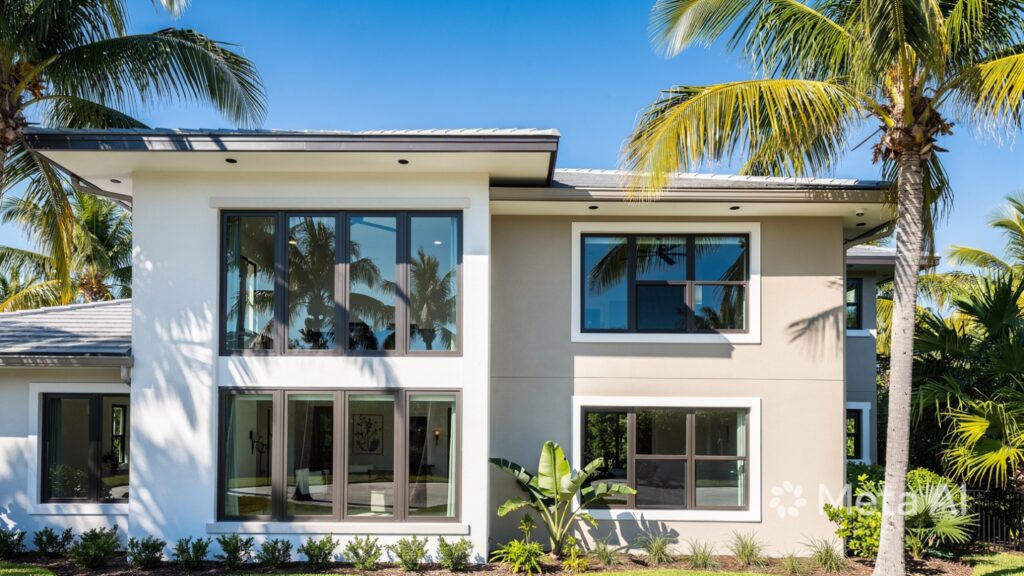
Vinyl windows have grown steadily in popularity across Florida over the past two decades, and the reasons are straightforward — they deliver strong performance at a competitive price point with minimal ongoing maintenance.
Superior Thermal Performance
Vinyl is a natural insulator. Unlike aluminum, it does not conduct heat readily, which means vinyl frames help keep solar heat outside and conditioned air inside. In Florida, where air conditioning accounts for a major portion of home energy costs, that thermal performance translates directly to lower monthly utility bills. When combined with low-E glass coatings and insulated glass units, vinyl windows deliver some of the best energy efficiency available in residential windows.
Zero Corrosion and Low Maintenance
Vinyl does not corrode, rust, or require painting. The color runs through the material itself, so there is no finish to chip, peel, or refinish over time. Cleaning is simple — soap and water handles most situations. For homeowners who prefer a low-maintenance solution, or those managing vacation properties in Florida who cannot perform regular upkeep, vinyl is a natural fit.
Impact-Rated Vinyl for Florida
It is worth clarifying that not all vinyl windows are suitable for Florida’s hurricane requirements. Standard residential vinyl windows sold at big-box stores are not the same as impact-rated vinyl windows certified for high-velocity hurricane zones. Quality impact-rated vinyl windows from reputable manufacturers do carry Miami-Dade NOA certifications and fully meet South Florida building code requirements. Always verify the certification on any product before agreeing to installation.
Design Considerations
Vinyl’s main limitation compared to aluminum is aesthetics. Because vinyl is less structurally rigid, frames need to be thicker to achieve the same structural performance — meaning wider visible sightlines and a heavier visual profile. For large windows or contemporary designs that prioritize minimal framing and maximum glass, vinyl can feel visually bulky. Color options are also more limited since vinyl cannot be repainted after installation.
Quick Comparison: Vinyl vs Aluminum for Florida Homes
| Factor | Vinyl | Aluminum |
|---|---|---|
| Energy efficiency | Excellent | Good (better with thermal break) |
| Hurricane performance | Strong (when NOA certified) | Excellent |
| Corrosion resistance | Excellent | Good (with quality finish) |
| Maintenance | Very low | Low to moderate |
| Design flexibility | Moderate | High |
| Slim sightlines | No | Yes |
| Cost | More affordable | Premium |
| Best for | Standard homes, energy savings | Large openings, coastal, modern design |
Which One Should You Choose?
Vinyl is the right choice for most Florida homeowners replacing standard residential windows. It delivers excellent storm protection when properly certified, strong energy performance, near-zero maintenance, and a price point that makes whole-home replacement realistic for more budgets.
Aluminum is the right choice for larger or architecturally distinctive homes where design matters; for very large window and door openings that benefit from aluminum’s structural strength; and for premium coastal properties where the investment in a high-quality finish is worthwhile.
The good news is that for most Florida homeowners, either material — when properly certified and correctly installed — will protect your home, improve your energy efficiency, and qualify you for wind-mitigation insurance credits.
The Installation Makes All the Difference
No matter which material you choose, the quality of the installation matters just as much as the product itself. A properly certified vinyl or aluminium window installed by an unlicensed contractor without permits is not a safe or legal upgrade. Always verify licensing, confirm insurance coverage, and ensure your contractor pulls the required permits and schedules inspections.
At Coastal Impact Windows and Doors, we help South Florida homeowners navigate exactly this decision — evaluating your home’s specific needs, recommending the right product, and handling every step of installation and permitting from start to finish.
Ready to get started? Visit us at coastalimpactwindowsanddoorsfl.com to request your detailed in-home quote.